

A Sportswear Quality Checklist Before Bulk Shipment
Every sportswear order looks perfect in the pre-production sample. The risk lives in the gap between that approved sample and a factory floor full of garments produced weeks later - different dye lots, looser tension, drifting stitch densities, labels attached to the wrong style. For sportswear specifically, the stakes are higher than for basic apparel: performance claims (moisture wicking, stretch recovery, quick-dry) have to survive on the actual garment, not just in the spec sheet.
A disciplined pre-shipment quality check is what separates a collection that performs for the end customer from a box of returns. This checklist covers the points that matter most for running, training, yoga, cycling, and outdoor wear - organized by what you inspect, how to inspect it, and what to do with a finding.
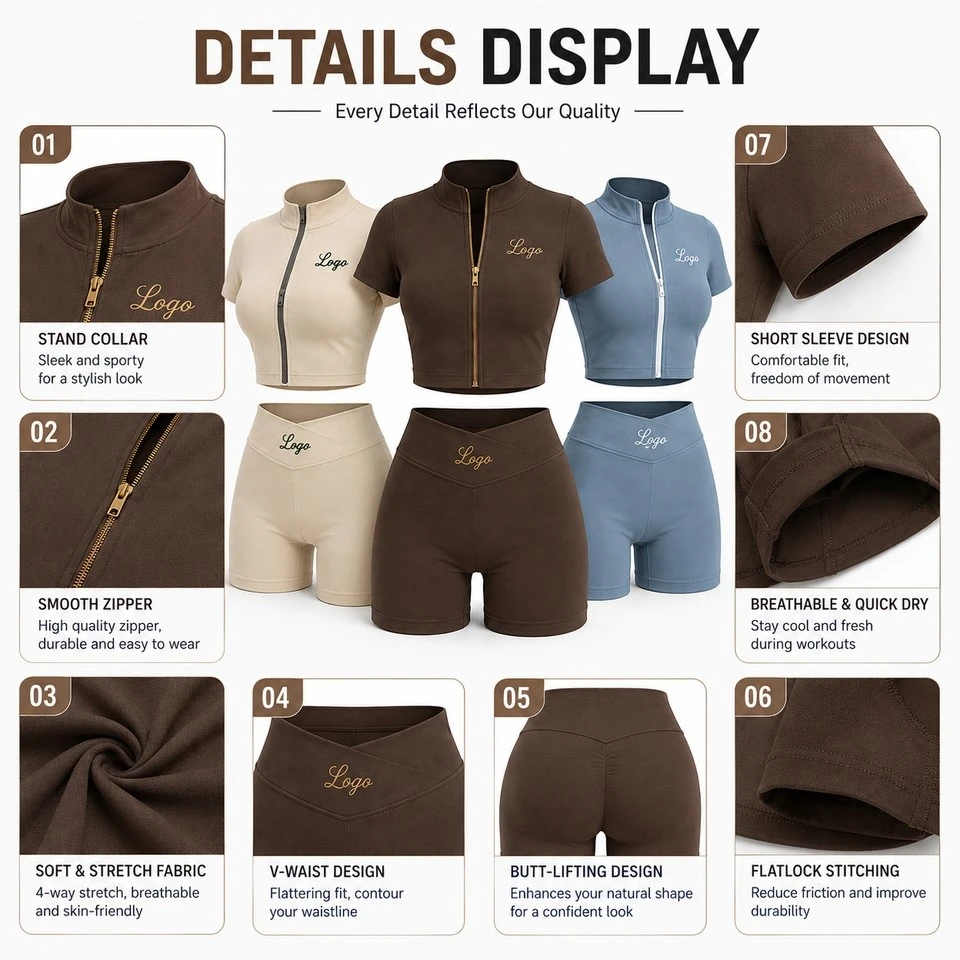
1. Get your paperwork aligned first
Quality inspection starts before you touch a single garment. Confirm the file stack matches the production:
The approved sample - the physical or sealed reference you signed off.
The tech pack - measurements, spec tolerances, construction details.
The artwork and placement sheet - logo position, size, print/embroidery reference.
The size run and quantity breakdown - correct counts per style, size, and color.
The label and packaging spec - neck, size, care, hangtag, and carton markings.
If the paperwork is inconsistent, stop and resolve it before inspecting. An inspection against the wrong reference is worse than no inspection at all.
2. Fabric and hand-feel verification
Before checking seams, verify you received the fabric you specified:
Fabric hand and weight (GSM). The garment should feel and weigh like the approved fabric. A lighter, thinner hand often signals a substituted or downgraded fabric - common when yarn or finishing costs are cut.
Color and shade consistency. Check against the approved lab dip. Also check within the batch: different rolls, and different cutting lots, can shift shade. Look for barre, shading between panels, and dye lot mismatch between body and trim.
Stretch and recovery. For performance fabrics, stretch a panel in the warp and weft direction and watch it return. Poor recovery - a garment that stays stretched - is a functional failure for yoga and fitted running wear, not just an aesthetic one.
Pilling and surface. Rub the fabric to check for pilling tendency and check the surface finish is consistent with the approved material.
3. Construction and sewing quality
Sewing is where sportswear quality visibly lives or dies:
Stitch density (SPI). Verify stitches per inch match the spec. Too loose, and seams fail under movement; too tight, and the fabric puckers.
Seam strength and seam type. For activewear, critical seams (crotch, side, shoulder, gusset) must use the correct seam type and hold without popping under tension.
Seam allowance and edge finishing. Check allowances are within tolerance and raw edges are finished (overlocked, bound, or flatlocked) so they do not fray after washing.
Alignment and symmetry. Pockets, stripes, reflective elements, zippers, and prints must sit level and centered. Misaligned panels are one of the most common bulk defects.
Thread tension and puckering. Seams should lie flat. Puckered or wavy seams at the collar, hem, and cuffs indicate tension problems.
Interlining and bonding. Where garments use bonded or taped seams (waterproof outdoor pieces), check adhesion is uniform and there are no bubbles or delamination.
4. Fit and measurement check
Measure garments against the size spec, not by eye:
Key measurements per size. Chest, waist, hip, length, sleeve, inseam - measured flat per your established method and compared to the approved sample and tech pack tolerances.
Symmetry left to right. Sleeve lengths, side seams, and shoulder seams should match.
Grading across the size run. Verify measurements progress consistently from one size to the next. A jump or a flat line between sizes signals a grading error.
Fit on form or model. Where possible, try the garment on a fitting form or model. Measurements can be in tolerance while the fit is wrong - especially in compression and fitted styles.
5. Decoration and branding check
For customized sportswear, this is where orders most often go wrong:
Placement. Confirm every logo, print, number, and name sits exactly where the approved artwork specifies - position, orientation, and distance from seams and hems.
Print quality. For screen and digital prints, check for color match, sharpness, coverage, cracking, and print adhesion. Rub and stretch a printed area to verify it does not flake or crack.
Embroidery. Check stitch density, thread color against the reference, and that the embroidery lays flat without tunneling or puckering the fabric. Verify the backing is correct and there is no loose or skipped stitching.
Heat-transfer. Confirm the transfer has no bubbling, peeling, or ghosting, and that the material is compatible with the garment's stretch.
Labels and hangtags. Verify the correct label wording, size, care information, and hangtag are attached to each style. Wrong care labels are a common - and expensive - bulk error.
6. Functional performance spot-checks
Sportswear must perform, so include functional checks beyond cosmetics:
Moisture-wicking and quick-dry. A spot check of fabric behavior against the claim - water should bead and spread/evaporate rather than soak in.
Zippers and closures. Zip smoothly and fully, without sticking, catching, or gaping. Check pulls and cord locks.
Reflective elements. Where specified, confirm reflectivity is present, correctly placed, and functional.
Elasticity. Waistbands, cuffs, and straps should stretch and return correctly without losing tension.
7. Colorfastness and care behavior
Bulk garments fail here long after shipment, so verify before it leaves:
Wash testing. Run a wash test on a few garments to check color bleeding, shrinkage, and appearance after laundering. Confirm shrinkage stays within tolerance.
Colorfastness to wash, water, and rubbing (crocking). Confirm dyed and printed colors do not bleed onto adjacent fabric or run onto skin and other garments.
Pilling after wash. Re-check the fabric surface after washing for pilling or fuzzing.
8. Final random inspection (AQL)
When the order is complete, do a final random sampling inspection against an acceptable quality limit (AQL) agreed with your supplier:
Sample size. Inspect a statistically meaningful number of cartons and garments - not just the first ones packed.
AQL classification. Classify defects as critical, major, or minor and compare against the agreed AQL. Zero critical defects, and majors within tolerance, before release.
Carton and packaging check. Verify carton markings, carton strength, correct size/color packing ratios, and that packaging protects the garments.
9. Document everything
A quality check you cannot document did not happen:
Inspection report. Record date, inspector, sample size, defects found, and disposition (approve, conditional, reject).
Photos. Keep images of the approved sample, and of any defects, as evidence and for future reference.
Disposition and follow-up. Decide approve, rework, or reject - and track the rework through to completion with a second check.
The practical takeaway
The checklist is long, but the operating principle is simple: the bulk order must match the approved sample - in fabric, construction, fit, decoration, and performance - and that match must be verified, not assumed. Most sportswear quality problems are caught not by clever testing but by disciplined, documented inspection at the right points: before cutting, after sewing, and again before packing.
For brands and for manufacturers like Crownway, a repeatable pre-shipment check is more than a control step. It is the mechanism that protects the brand's performance claims, prevents costly returns, and builds the trust that keeps a running, training, or outdoor collection selling season after season.