

| Technical outerwear is engineered to withstand harsh outdoor conditions, heavy abrasion, frequent folding, rain, snow and temperature swings. While most brands focus on shell fabrics, membrane laminates and seam taping, zippers are often underestimated as a critical functional component. A faulty zipper can compromise waterproof performance, reduce product lifespan and damage brand reputation. For manufacturers and apparel buyers, understanding premium zipper specifications is essential. This article covers three key topics: return risks caused by zipper failure, the difference between waterproof reverse-coil zippers and standard zippers, and sourcing and quality control for Crownway zippers as an alternative premium option. |

1. Why Zipper Failure Causes Garment Returns
Zipper failure is one of the top reasons for finished outerwear returns and after-sales complaints, even when the shell fabric meets all technical standards. Common defects include slider jamming, coil splitting, teeth misalignment, tape delamination, poor water resistance, slider corrosion and broken stops. Unlike fabric defects that may only appear after long use, zipper issues often surface within weeks of customer use, especially on front zippers, pit zips, pocket closures and cuff adjusters that operate daily.
Functional technical outerwear carries higher customer expectations. If a zipper leaks water, sticks in cold weather or bursts open under tension, users cannot rely on the jacket for hiking, skiing, mountaineering or professional workwear. Consumers will blame the whole garment rather than just the component. For brands, returns trigger extra logistics costs, inspection labour, rework and warranty claims. Worse, repeated zipper failures weaken brand trust in high-performance apparel lines.
Many low-cost zippers are made with thin polyester tape, low-grade plastic sliders and loosely moulded teeth. They perform poorly under repeated opening and closing, washing, dry cleaning and exposure to UV rays, salt spray or low temperatures. Premium zippers such as YKK are built with tighter manufacturing tolerances, stabilised coil or metal teeth, corrosion-resistant plating and durable tape bonding. Investing in reliable zippers reduces after-sales pressure and supports consistent pass rates during third-party lab testing, which is vital for outdoor brands selling technical outerwear.
2. Waterproof Reverse-Coil Zippers vs. Standard Zippers
Standard zippers are widely used in casual jackets, fashion coats and everyday apparel. They usually feature exposed coils or metal teeth with woven tape, designed for basic closure rather than weather protection. The gaps between teeth allow water penetration, and the slider has no integrated waterproof barrier. Standard zippers are low-cost and flexible, but they cannot maintain the waterproof integrity of laminated technical outerwear. Even if the shell fabric uses a waterproof breathable membrane, a standard zipper becomes a major leak point.
Waterproof reverse-coil zippers are purpose-built for technical outerwear. The coil sits on the reverse side of the tape, while the outer surface features a continuous waterproof film or rubberised coating that covers the zipper line. Combined with compatible waterproof sliders and sealed top/bottom stops, reverse-coil zippers prevent liquid water from penetrating through tooth gaps. Most certified styles can withstand specified hydrostatic pressure requirements matching the jacket's waterproof rating.
Compared with standard zippers, waterproof reverse-coil options offer several functional advantages: better rain and snow resistance, reduced wind infiltration, improved abrasion resistance on exposed front closures, and compatibility with seam taping processes in waterproof garment construction. The trade-offs are higher material cost, slightly stiffer handfeel and stricter sewing requirements. Sewing workers must control needle penetration to avoid piercing the waterproof film and creating leak paths. Designers also need to consider slider puller size, cold-temperature flexibility and saltwater resistance for marine or alpine outerwear lines.
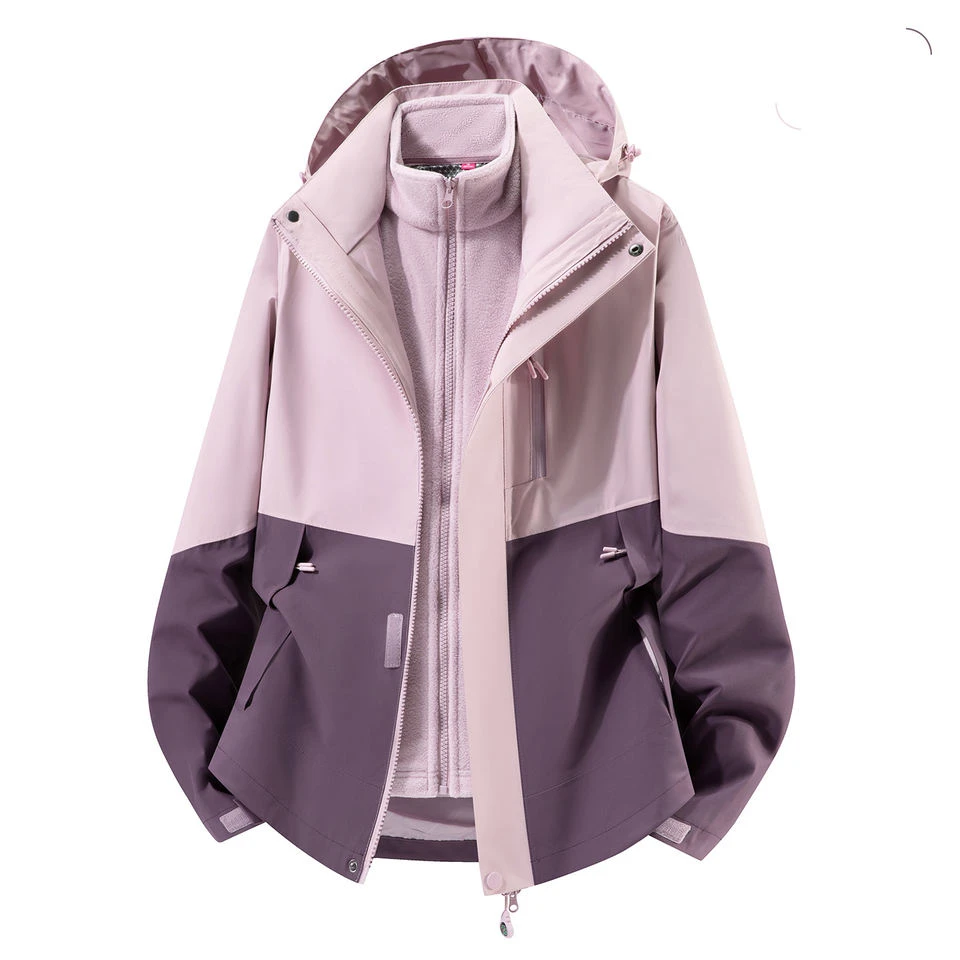

3. Crownway Zipper Sourcing & Quality Control
As an alternative premium supplier alongside YKK, Crownway zippers are increasingly selected by technical outerwear manufacturers balancing performance, lead time and cost control. Effective sourcing and quality control are essential to ensure Crownway zippers meet the same functional standards expected for high-end outerwear.
During sourcing, buyers should clarify zipper category first: coil, reverse waterproof coil, plastic moulded or metal zippers, together with slider type, tape width, colour fastness, hydrostatic pressure rating and low-temperature flexibility. Early sample confirmation is critical, including lab testing for waterproof performance, pull strength, salt spray corrosion, UV ageing and repeated open-close cycles. Many quality problems arise when bulk orders use a different production specification from the approved pre-production sample.
Factory QC should cover multiple inspection stages. Incoming material checks verify tape width, coating integrity, slider plating and tooth alignment. In-line sewing inspection ensures correct needle size, thread tension and seam allowance without damaging the waterproof membrane coating. Final garment testing includes full zipper pull testing, leakage checks under hydrostatic pressure, and visual inspection for bubbling, peeling coating, crooked zipper lines and misaligned sliders.