

Functional Textiles Take the Spotlight in Munich
Fabric selection is one of the most important decisions in sportswear and outdoor apparel development. A garment's comfort, durability, weight, breathability and weather resistance are strongly influenced by its material construction.
As international brands continue to develop more specialized clothing collections, demand for innovative functional textiles is growing.
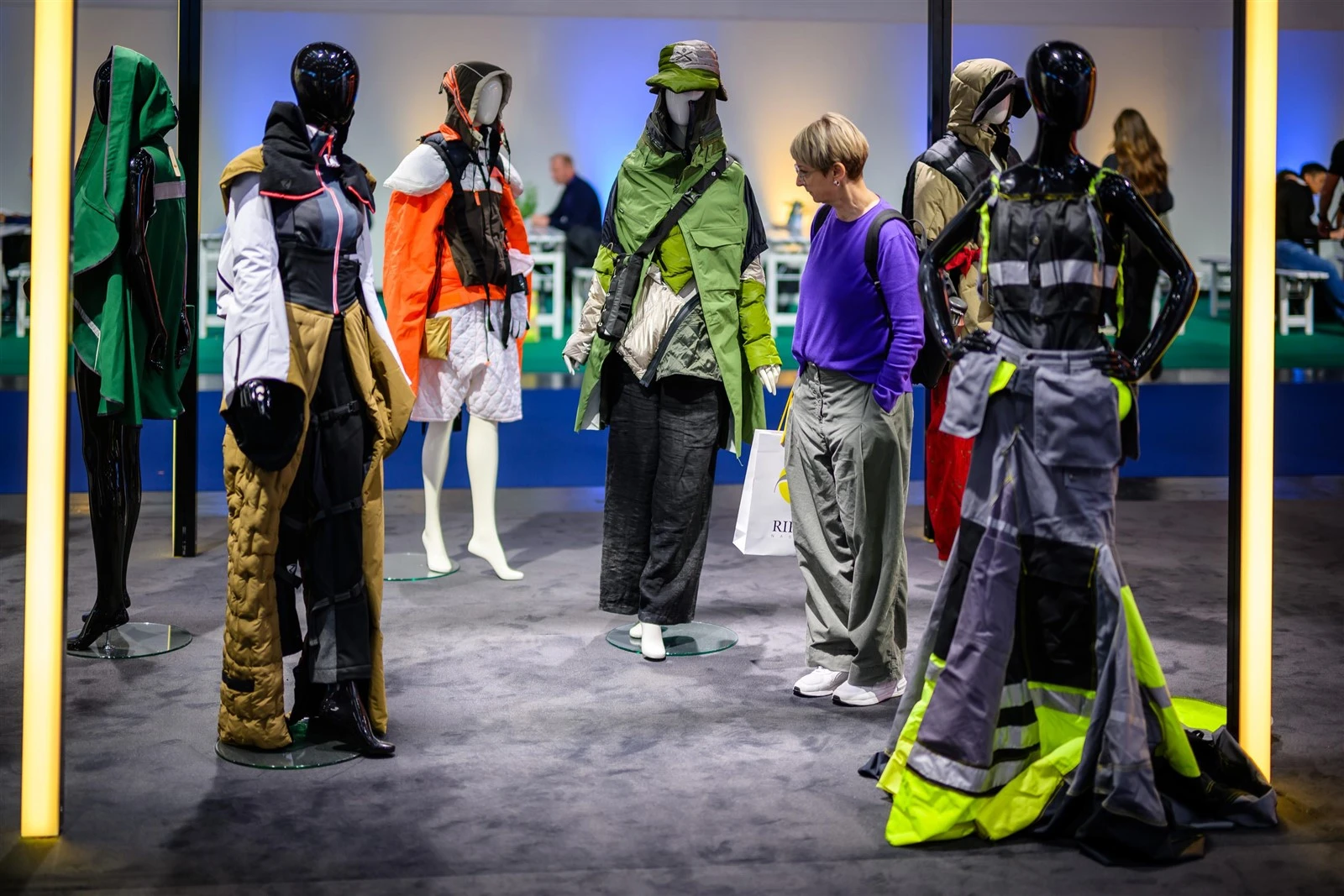
An important industry event highlighting these developments was Performance Days Munich, held on October 13–14, 2026, at Messe München in Germany.
The exhibition brought together 5,170 visitors and 599 exhibitors, according to the official event figures. Its focus included functional fabrics, textile innovation and material development for sportswear, outdoor clothing, bodywear and related industries.
The October edition also highlighted bio-based materials, demonstrating the growing interest in alternative textile resources.
1. Bio-Based Materials Attract More Attention
One of the notable themes at Performance Days 2026 was bio-based material development.
Traditional synthetic fibers such as polyester and nylon remain widely used in sportswear and outdoor clothing because of their strength, versatility and established manufacturing processes.
However, the textile industry is exploring additional material options to reduce dependence on conventional fossil-based resources.
Bio-based fibers and materials may be developed from renewable biological sources, depending on the technology and manufacturing process.
For apparel brands, these materials offer opportunities to explore new product concepts.
Potential applications include:
Lightweight outdoor jackets.
Sportswear and training tops.
Functional base layers.
Selected insulation and lining materials.
Casual outdoor and athleisure collections.
However, the term bio-based does not automatically mean biodegradable or environmentally harmless. Buyers should request clear information about fiber composition, processing and relevant certifications.
2. Performance and Sustainability Need to Work Together
An important message emerging from functional textile exhibitions is that sustainability cannot be considered separately from performance.
A hiking jacket still needs to provide appropriate weather protection. A running shirt must manage moisture effectively. Sports leggings need sufficient stretch recovery and resistance to repeated washing.
If an alternative material cannot meet the required product specifications, it may not be suitable for the intended application.
Therefore, brands and manufacturers need to evaluate materials according to both functional performance and environmental considerations.
For example, when selecting fabric for outdoor jackets, buyers may compare:
Water resistance.
Breathability.
Wind resistance.
Abrasion resistance.
Weight.
Fabric hand feel.
Care requirements.
Material composition and certification.
The most suitable fabric depends on the intended product and its target market.
3. Waterproof and Breathable Fabric Development Remains Important
Technical outdoor clothing continues to depend on carefully engineered fabric structures.
Waterproof jackets often use coated or laminated fabrics to help prevent external water from entering the garment.
Some products use two-layer, two-and-a-half-layer or three-layer constructions.
A three-layer fabric generally combines an outer face fabric, a functional membrane and an inner protective backer.
The outer layer helps protect against abrasion and external conditions. The membrane provides the primary waterproof and breathable barrier, while the backer protects the inner surface.
Different construction methods create different combinations of weight, comfort, durability and price.
For outdoor brands, selecting the right structure requires considering the intended activity rather than choosing a fabric based only on its advertised waterproof rating.
4. Fabric Innovation Creates New Opportunities for Sportswear
Material development is also influencing activewear collections.
Sportswear manufacturers need to consider several characteristics when selecting fabrics for different products.
For yoga leggings, four-way stretch, opacity, recovery and a comfortable hand feel are important.
For running shirts, moisture management, lightweight construction and ventilation can influence wearing comfort.
For cycling apparel, stretch performance, abrasion resistance and body-fitting construction are important considerations.
For sports bras, fabric elasticity, support structure and comfort against the skin need to work together.
This means that one fabric cannot necessarily meet the requirements of every sportswear product.
A well-planned collection should use materials that match the function of each garment.
5. What Apparel Buyers Should Consider When Sourcing New Fabrics
For brands preparing a new collection, textile exhibitions provide inspiration, but practical evaluation is essential.
Before confirming a material, buyers should consider:
Material composition: Understand the actual fiber percentages and whether the fabric includes recycled or bio-based components.
Functional performance: Request available test information for stretch, recovery, abrasion resistance, water resistance or moisture management as relevant.
Production suitability: Confirm fabric width, weight, color availability and compatibility with the intended garment construction.
Consistency: Evaluate whether the supplier can maintain stable material quality across repeat orders.
Documentation: Ask for relevant certificates and supporting information when making sustainability or performance claims.
Cost and availability: Consider whether the selected material is commercially viable for the planned order quantity and future replenishment.
6. Crownway's Approach to Functional Apparel Manufacturing
At Crownway Apparel, material selection is an important part of customized sportswear and outdoor clothing development.
Our product range covers waterproof jackets, hiking pants, winter outerwear, running clothing, yoga apparel, cycling wear and other functional garments.
Different products require different fabric properties and construction methods.
For example, a lightweight running jacket may prioritize low weight and wind resistance, while a winter outdoor jacket may require insulation, weather protection and durable construction.
For activewear, fabric stretch, recovery and comfort are important considerations throughout product development.
We work with buyers to discuss product specifications, material options, customization requirements and production planning.