


As winter sports gain massive popularity worldwide, the ski pants segment is witnessing explosive growth and major industry shifts in 2026. From casual snowboarding enthusiasts to professional ski athletes, consumers are no longer choosing basic warm trousers-they prioritize multi-functional, stylish, and customizable ski wear, creating new opportunities for outdoor apparel manufacturers.
Market surveys show two dominant trends driving sales. First, all-in-one performance fabrics have become a standard requirement. Modern ski pants integrate 3-layer waterproof, windproof and breathable membranes with lightweight thermal cotton. Unlike old bulky styles, new designs cut weight by 30% while retaining snow insulation, solving the pain point of overheating during intense skiing. Reinforced knee stitching, anti-slip boot gaiters and adjustable waist straps are now non-negotiable basic features for mainstream products.
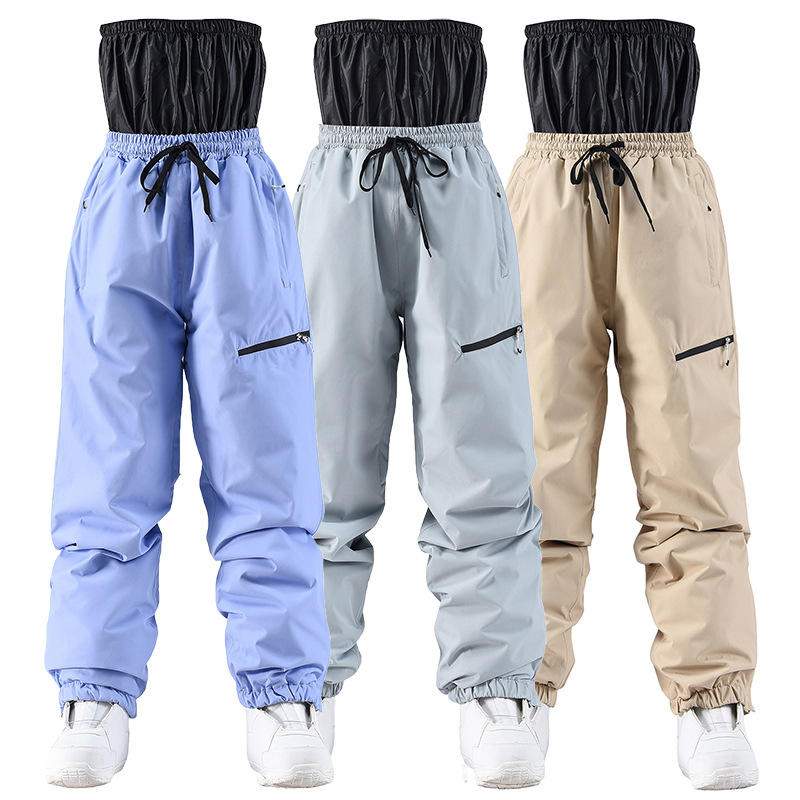
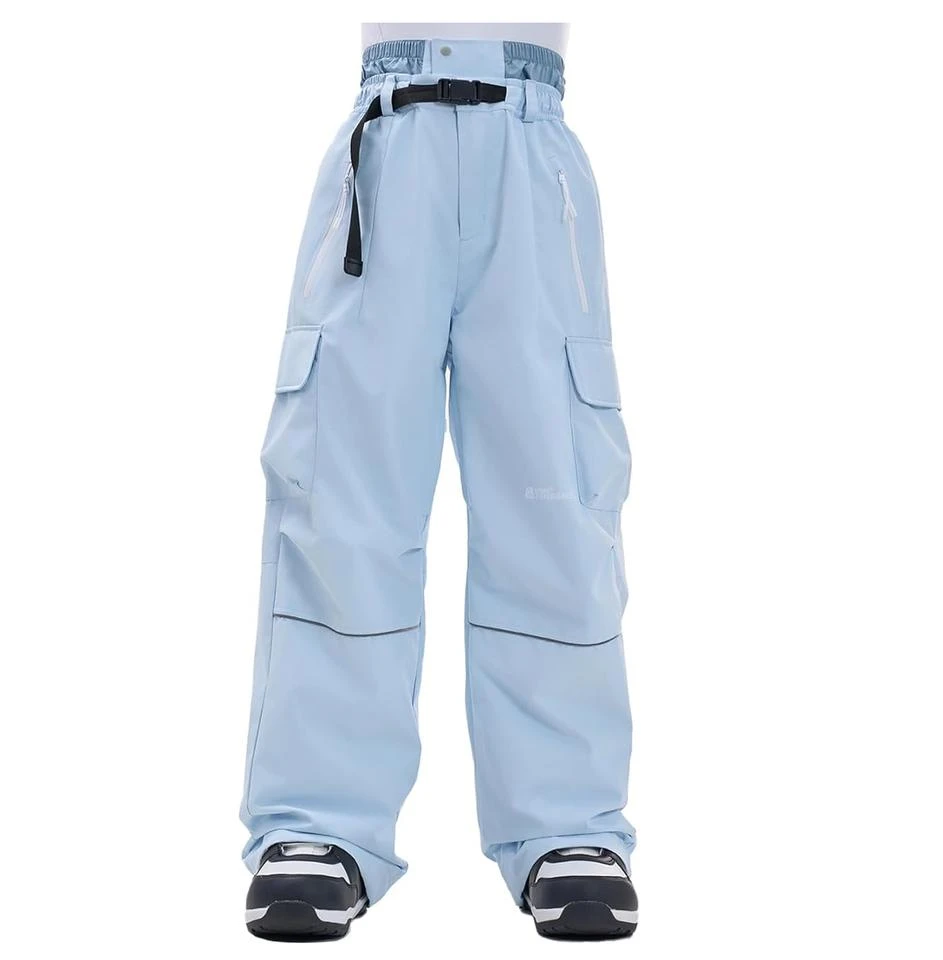
Second, aesthetic diversification fuels retail turnover. Loose street-fit snowboard pants have overtaken slim professional ski trousers among young shoppers. Color-block panels, gradient prints and soft pastel tones replace traditional black and navy, matching consumers' demand for social media-friendly snow outfits. Meanwhile, custom OEM services surge for small boutique brands and online independent stores. Bulk buyers request private labels, exclusive colorways and tailored sizing, pushing factories to upgrade flexible production lines.
Supply chain adjustments also mark this industry shift. Many manufacturers switch to recycled polyester fabrics to meet global eco-friendly standards, responding to brand and consumer demand for sustainable outdoor gear. Wholesalers report faster order lead times, as pre-made ready-to-ship ski pants collections reduce inventory risks for small retailers.
Industry analysts predict steady annual growth for ski pants over the next five years. Brands that balance technical performance, trendy silhouettes and flexible customization will capture the largest market share. For suppliers, aligning product development with both functional upgrades and fashion trends is the key to staying competitive in the booming winter sports apparel market.