

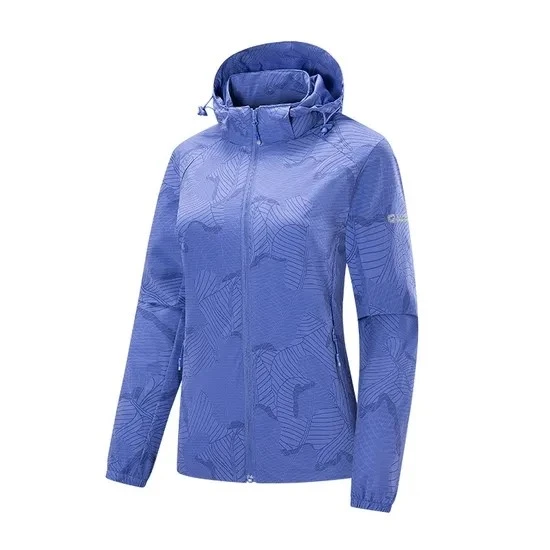
For apparel brands expanding their functional outerwear lines, choosing between softshell and hardshell jackets stands as one of the most pivotal sourcing decisions. These two staple outdoor garments are engineered with distinct fabric structures, functional advantages and applicable environments. Selecting improperly will lead to mismatched user demands, high return rates and weakened brand positioning. To make informed OEM purchasing choices, brands need to compare core performance indicators, clarify target usage scenarios, and tailor fabric weight and lining configurations to match their customer groups.
The most obvious divide between softshell and hardshell jackets lies in three core performance metrics: wind resistance, breathability and physical flexibility. Hardshell jackets adopt rigid, laminated waterproof membrane fabrics, typically built with three-layer composite structures. They deliver exceptional windproof performance and full waterproof capability, blocking harsh gales and sustained rainfall effectively. However, their stiff textile composition limits stretch, and ventilation is relatively poor; heavy perspiration during vigorous exercise can easily trap moisture inside the garment. Softshell jackets, by contrast, are crafted from elastic woven blends integrated with thin wind-resistant films instead of thick waterproof laminates. They offer moderate wind protection and splash resistance rather than heavy downpour shielding. Their biggest strengths are outstanding stretch and air permeability. Wearers stay dry from internal sweat during long walks, climbing or dynamic activities, and unrestricted movement eliminates stiffness across shoulders and elbows. This fundamental performance trade-off sets the baseline for all subsequent sourcing decisions.
Target application scenarios further separate the positioning of the two styles, especially when distinguishing professional workwear from recreational outdoor use. Hardshell jackets dominate harsh outdoor expeditions: mountain hiking, winter trekking, alpine skiing and rainy wilderness adventures where reliable all-weather protection is non-negotiable. Rescue teams and field staff also frequently select hardshells for unpredictable extreme weather conditions. Softshell jackets shine in daily outdoor leisure and professional workwear scenarios. Urban commuting, light hiking, construction site daily uniforms and logistics staff outerwear all favour softshell designs. Workers need to bend, lift and move constantly throughout shifts, prioritizing comfort and mobility over full storm protection. For brands targeting casual outdoor enthusiasts or corporate uniform clients, softshell is the cost-effective mainstream pick; those focusing on professional mountaineering and extreme outdoor crowds ought to prioritize durable hardshell styles.
For international OEM buyers, customizable fabric weight and lining options add crucial flexibility to align products with seasonal demands and pricing tiers. Hardshell fabrics usually range from 80D to 120D in thickness. Thicker 120D variants paired with fleece linings suit cold winter conditions, while lightweight unlined 80D versions cater to spring and autumn rainy seasons. Softshell weight varies more widely: 240gsm ultra-light styles are designed for transitional seasons, while 360gsm–420gsm heavyweight softshells with brushed inner linings provide warmth for chilly weather without sacrificing elasticity. OEM purchasers can adjust fabric density, add mesh linings for enhanced ventilation or remove inner layers for lighter portability according to regional climates and budget ranges, optimizing product competitiveness in global markets.