

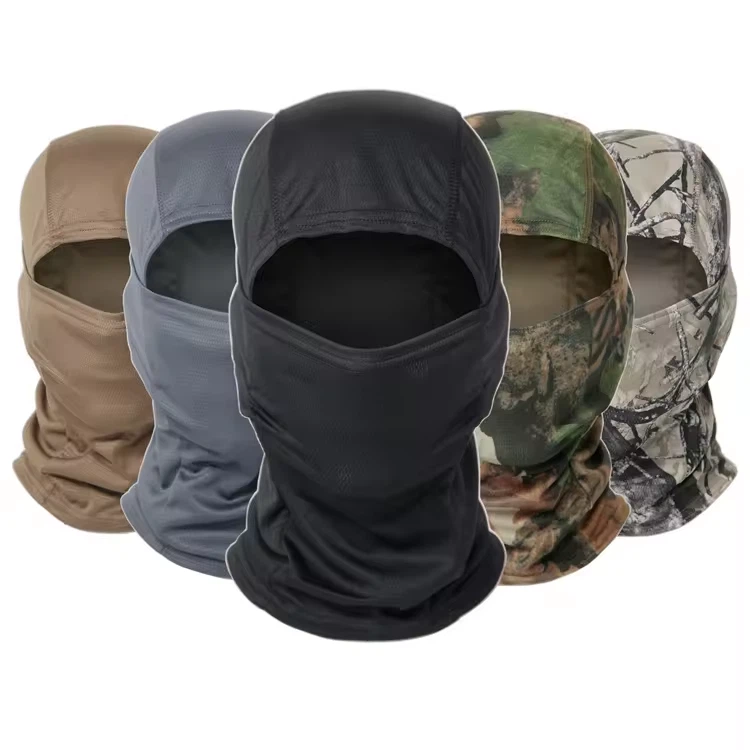
Of all the names for winter wear, few are as striking or as curiously specific as thebalaclava.It sounds less like a piece of cloth and more like a secret code or a faraway place. And that, as it turns out, is precisely the key to its origin. The name is a geographical one, a direct lift from a bloody, fog-shrouded chapter of 19th-century military history: the Battle of Balaclava.
To understand the name, we must travel to the Crimean War (1853-1856), where British, French, and Ottoman forces were besieging the Russian naval stronghold of Sevastopol. Just south of this city lay the small port town of Balaclava. In October 1854, a pivotal and famously tragic engagement unfolded on the hills and valleys near this town. It was here that the doomed Charge of the Light Brigade occurred, immortalized in Tennyson's poem. But alongside the cavalry's folly, the battle is also remembered for something else: the brutal, unprecedented cold.
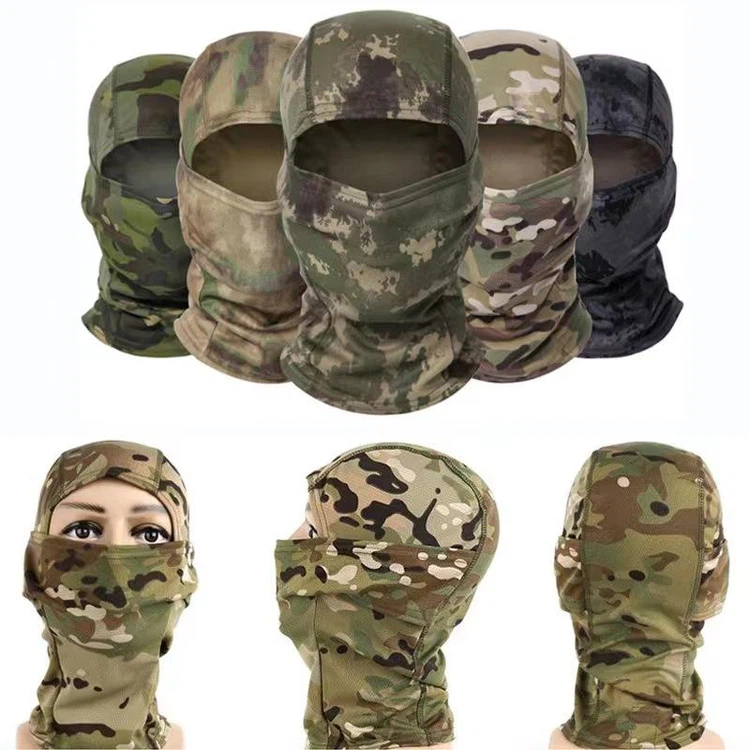
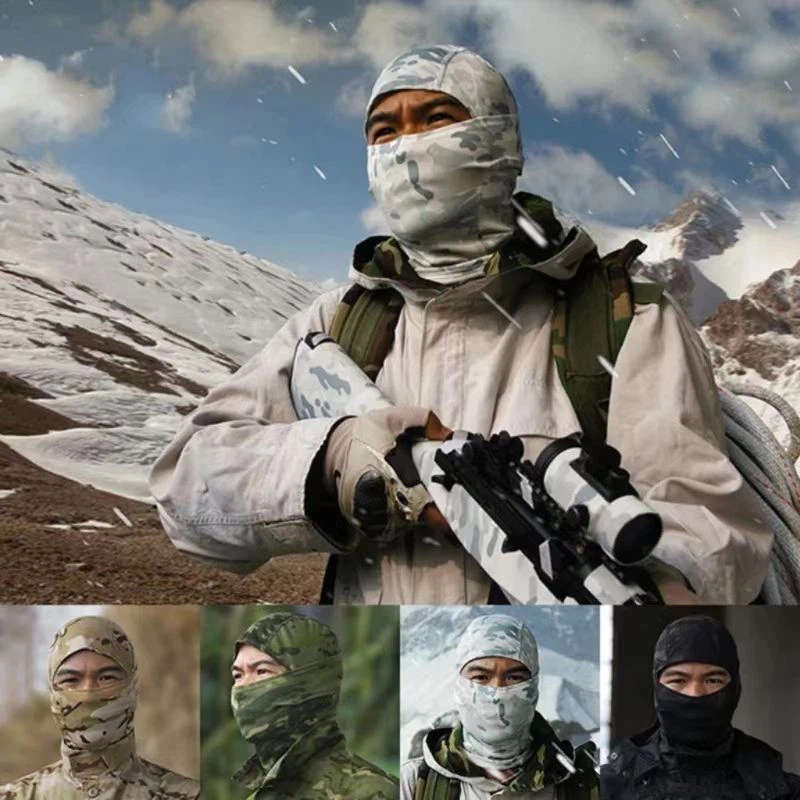
The winter of 1854-55 was notoriously severe. British troops, unprepared for the ferocity of a Crimean winter, suffered terribly from the freezing temperatures. Frostbite was rampant. In response, soldiers and their supportive communities back home began improvising and knitting warm, protective headgear. These garments were designed to cover the entire head and neck, leaving only a small opening for the eyes-and sometimes the mouth. They provided vital insulation against the biting wind. Since this particular style of headgear became strongly associated with the troops fighting in that harsh environment, it was christened the "Balaclava Helmet" or "Balaclava Cap," a direct nod to the geographical location of their suffering.
The term stuck. After the war, the practical garment transitioned from military use to civilian life. Mountaineers, skiers, motorcyclists, and anyone facing extreme cold found its full-face protection indispensable. Its functional evolution continued into the 20th and 21st centuries. While remaining essential for winter sports, the balaclava's ability to conceal identity saw it adopted by special forces units, and unfortunately, also by criminals and rioters. This dual identity-as a symbol of both practical protection and concealed intent-has cemented its place in both utility wear and popular culture.