

Custom Teamwear Printing: Choosing the Right Decoration Method for Sports Jerseys
Custom sports jerseys are more than team uniforms. They represent club identity, sponsor relationships, player numbers and the visual character of a sports organization.
For teams, clubs, schools and sportswear brands, decoration quality is an important part of product development. A jersey may have an excellent fit and comfortable fabric, but poor logo application or inconsistent numbering can reduce its overall appearance.
Different decoration methods offer different advantages. Sublimation printing, screen printing, heat transfer and embroidery are not interchangeable. The right method depends on fabric composition, artwork complexity, order quantity, garment function and budget.
This guide explains how to select suitable decoration methods for custom teamwear and what buyers should confirm before bulk production.
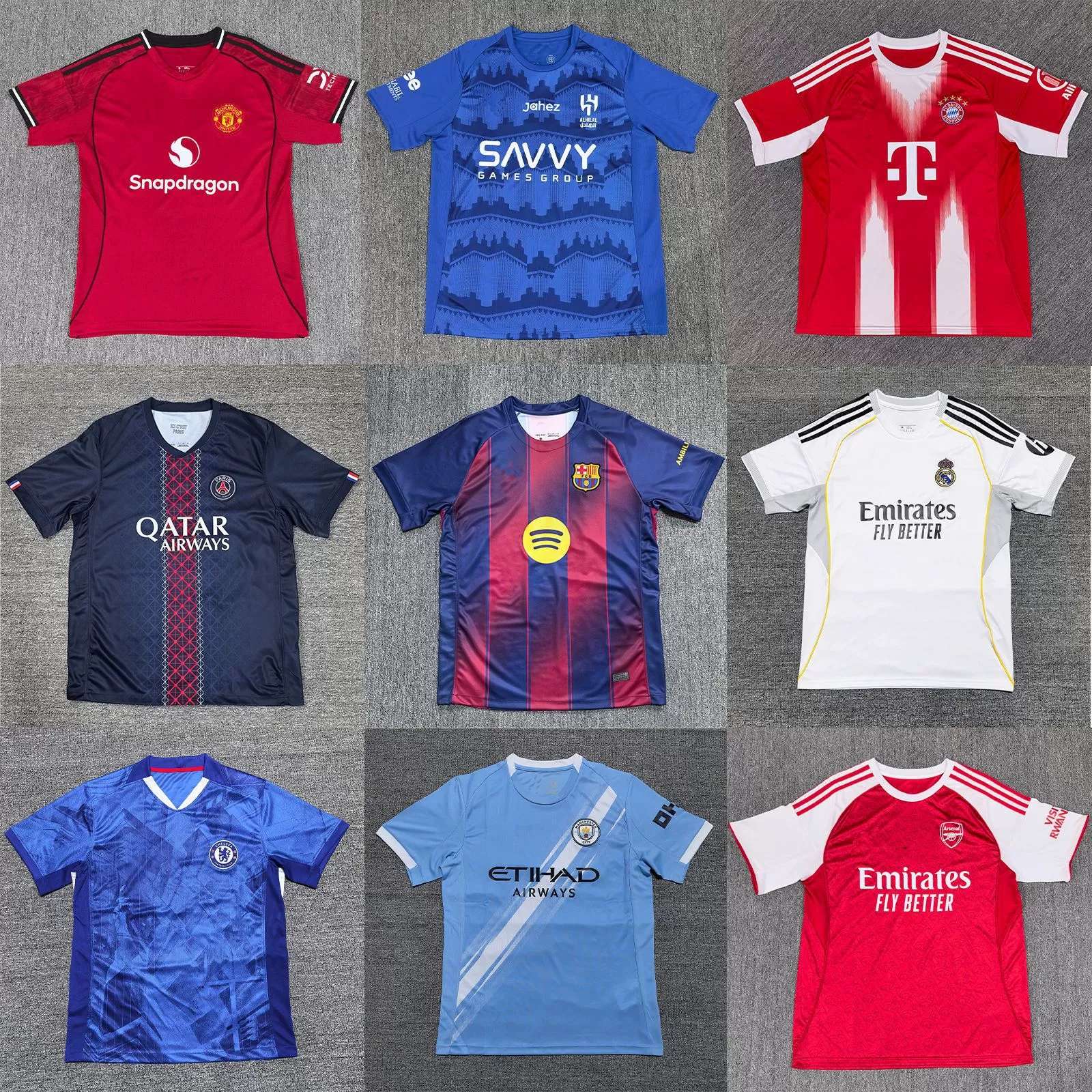
1. Start with the Purpose of the Jersey
Before selecting a decoration method, buyers should identify the intended use.
A soccer jersey may require player names, numbers, club badges and sponsor graphics. A basketball jersey may include large front and back numbers. A training shirt may need a simple chest logo, while a promotional team polo may use embroidery.
These different requirements influence the most suitable production method.
Buyers should prepare a decoration plan that identifies:
Logo positions
Number and name requirements
Sponsor artwork
Main garment colors
Individual player customization
Required durability
Expected order quantity
This information helps the manufacturer recommend a suitable process.
2. Sublimation Printing
Sublimation printing is commonly used for polyester-based sportswear.
The design is transferred into the polyester material through a heat-based process. It is suitable for colorful graphics, gradients, patterns and all-over designs.
Advantages
Supports complex artwork
Suitable for full-garment graphics
Can create lightweight printed surfaces
Allows multiple colors and detailed patterns
Useful for team-specific designs
Important Considerations
Sublimation is generally most suitable for fabrics with a high polyester content. The final appearance depends on fabric color, print settings and production control.
Buyers should check color consistency, artwork alignment and the appearance of the design after washing.
For jerseys with multiple player names and numbers, the manufacturer should confirm how individual customization will be managed during production.
3. Screen Printing
Screen printing uses prepared screens to apply ink to selected garment areas.
It can be suitable for simple logos, text and designs with defined color areas.
Advantages
Suitable for repeated artwork
Can be economical for suitable order quantities
Useful for simple graphics
Can produce a distinct printed surface
Important Considerations
Screen printing requires preparation for each design and color. Highly detailed gradients or complex full-garment artwork may require a different process.
The ink and curing process should be compatible with the garment fabric. Buyers should also assess print flexibility, surface feel and resistance to cracking or peeling.
4. Heat Transfer Printing
Heat transfer methods apply a printed or cut design to the garment using heat and pressure.
This method can be useful for names, numbers, logos and smaller custom graphics.
Advantages
Suitable for individual names and numbers
Allows flexible artwork placement
Useful for smaller customization runs
Can support designs that are difficult to screen print
Important Considerations
Different transfer materials behave differently. The selected transfer should be compatible with the fabric's stretch, surface texture and care requirements.
For performance jerseys, the decoration should not become excessively stiff or restrict fabric movement.
Buyers should request wash and stretch evaluations where relevant.
5. Embroidery
Embroidery uses stitching to create a logo or design on the garment.
It is often used for polo shirts, jackets, caps and selected teamwear products where a raised stitched appearance is desired.
Advantages
Creates a textured, premium-looking finish
Suitable for many simple logos
Can provide a distinctive brand presentation
Useful for selected lifestyle and team apparel
Important Considerations
Embroidery adds thread and backing material to the garment. On lightweight or highly elastic fabrics, excessive stitching may create stiffness or distortion.
For performance jerseys, the logo size, stitch density and placement should be reviewed carefully.
Embroidery is not always the best choice for large graphics or lightweight garments designed for high mobility.
6. Comparing the Main Decoration Methods
| Method | Suitable Applications | Main Consideration |
|---|---|---|
| Sublimation | Polyester jerseys, all-over graphics | Fabric composition and color control |
| Screen Printing | Simple logos, text and repeated designs | Screen preparation and ink compatibility |
| Heat Transfer | Names, numbers and custom graphics | Adhesion, flexibility and wash durability |
| Embroidery | Polos, jackets and selected teamwear | Added weight and fabric distortion |
The best method depends on the complete product rather than the decoration technique alone.
7. Artwork Preparation
Many decoration problems begin with incomplete artwork files.
Before production, buyers should provide clear design references and confirm the following:
Vector logo files where available
Correct brand colors
Logo dimensions
Placement measurements
Player names and numbers
Sponsor artwork
Front, back and sleeve design views
Any special finishing requirements
If artwork is supplied in a low-resolution image, the manufacturer may need a suitable vector file before production.
Buyers should also approve a digital layout or physical sample before bulk manufacturing.
8. Placement and Proportion
A logo may look correct on a computer screen but appear too large or too small on the finished garment.
Placement should be reviewed according to the garment size and intended wearing position.
Common locations include:
Left or right chest
Center front
Upper back
Lower back
Sleeves
Shorts or trouser legs
For teamwear, logo proportions should remain visually consistent across the full size range.
A placement measurement should be specified from a fixed garment reference point, such as the center front, shoulder seam or neckline.
9. Durability and Quality Inspection
Decoration quality should be inspected before bulk shipment.
Relevant checks may include:
Correct artwork and color
Position and alignment
Print or embroidery appearance
Adhesion and surface condition
Cracking or peeling after suitable testing
Color transfer
Stretch compatibility
Washing durability
The test method should match the selected decoration process and garment fabric.
For team orders, it is also important to check the accuracy of player names and numbers. A single incorrect number can make an otherwise acceptable uniform unusable for the intended player.
10. Planning Individual Team Customization
Teamwear projects often involve multiple sizes, player numbers and names.
A clear order spreadsheet can reduce errors. It should include:
Player or team member name
Garment size
Jersey number
Name spelling
Required logo version
Quantity by size
Special notes
The buyer should approve the final list before production. Any changes made after approval should be documented to prevent confusion.
11. How to Select the Right Method for Your Collection
A practical selection process can follow these steps:
Confirm the garment fabric composition.
Identify the artwork complexity.
Decide whether individual names and numbers are required.
Consider garment weight and stretch.
Compare the expected order quantity and cost.
Request a decoration sample.
Evaluate appearance and durability.
Approve the final artwork and placement before bulk production.
For large teamwear programs, the same decoration standard should be applied consistently across all garments.