

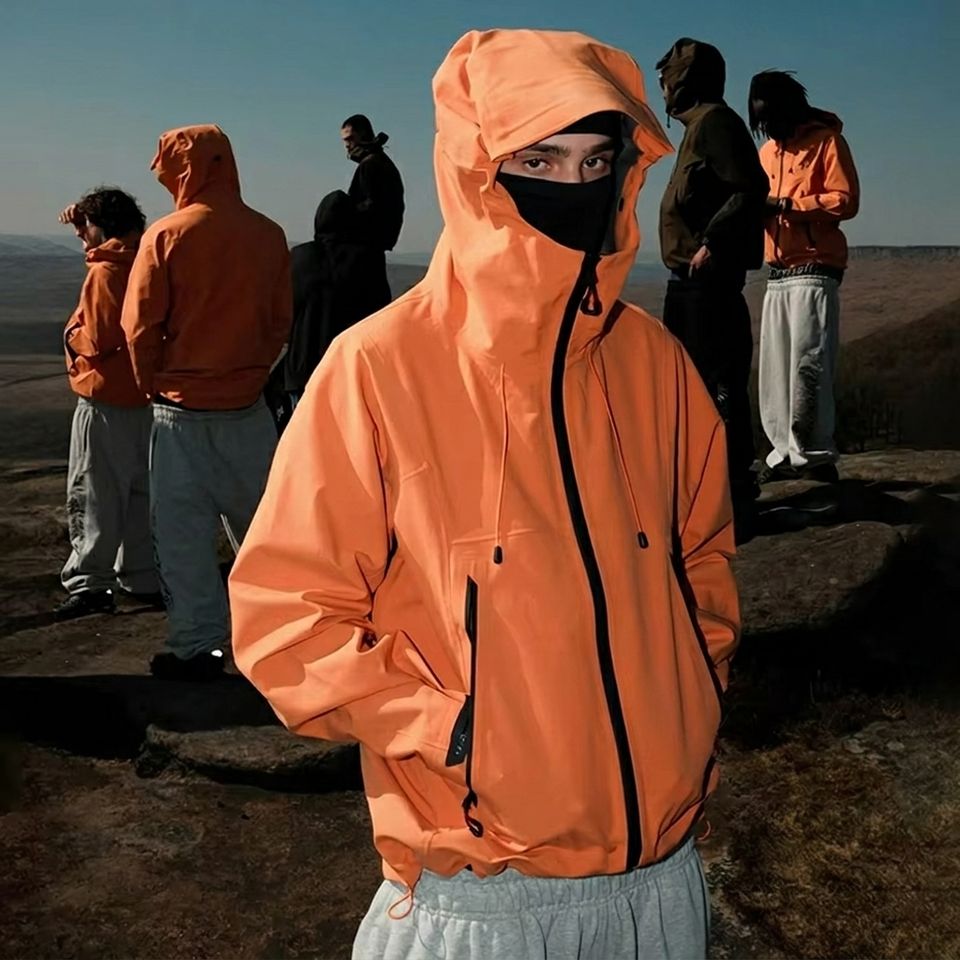
Trail running apparel is designed for a different environment from ordinary road-running clothing. Runners may move between exposed ridgelines, forest paths, steep climbs and shaded sections within a single session. Weather can change quickly, while body temperature and sweat production fluctuate with elevation, speed and terrain.
For brands developing trail-running clothing, the challenge is to create garments that support movement without adding unnecessary weight or restricting ventilation. A successful product needs to consider fabric selection, pattern construction, pocket placement, seam design and layering compatibility.
This guide explains the main design considerations for custom trail-running apparel and provides a practical framework for brands planning a performance-oriented collection.
1. Understand the Demands of Trail Running
Trail running involves repeated changes in movement and environmental exposure. Runners may climb slowly, descend quickly, cross uneven ground or stop briefly to check a route.
These conditions create several apparel requirements.
Freedom of Movement: The garment should allow the shoulders, arms, hips and knees to move naturally. Restrictive construction can become uncomfortable during steep climbs and technical descents.
Moisture Management: Physical effort can produce significant perspiration, particularly during uphill sections. Fabrics should be selected according to the required balance of moisture transfer, drying speed and comfort.
Low Garment Weight: Excess weight can become noticeable during long-distance activity. Lightweight materials and carefully planned construction help avoid unnecessary bulk.
Weather Adaptability: Wind, rain and temperature changes may occur during a single run. Layering options can be more practical than relying on one heavy garment.
Storage Access: Trail runners may carry energy gels, keys, cards or small accessories. Secure and accessible pockets can improve product usability.
2. Choosing Fabrics for Different Trail-Running Products
A trail-running collection usually includes several garment types. Each needs a different material strategy.
Running Tops
Running tops are commonly developed using lightweight polyester, nylon blends or stretch performance knits.
The most important considerations include:
Moisture transfer and drying performance
Softness against the skin
Breathability
Resistance to pilling
Colorfastness after repeated washing
Stretch and recovery where required
A lightweight fabric may be appropriate for warm-weather running, while a slightly denser knit can be more suitable for transitional conditions.
Trail-Running Shorts
Shorts need to support a wide range of leg movements. Four-way stretch materials can be considered where flexibility is a priority.
Buyers should also evaluate waistband stability, inner construction, pocket placement and fabric recovery. If a product includes a liner, the liner material should be assessed separately for comfort and moisture management.
Running Jackets
A trail-running jacket should be designed around the intended weather conditions.
A lightweight wind-resistant layer may be suitable for exposed routes where wind protection is important but full waterproof construction is unnecessary. For wet conditions, buyers may consider a more protective shell, while paying attention to breathability and packability.
The intended use should be clear before selecting the fabric. A jacket designed for light showers should not be marketed as suitable for prolonged heavy rain unless its performance has been verified.
3. Pattern Design and Movement Zones
Fabric alone cannot guarantee freedom of movement. Pattern design determines how the garment behaves when the runner moves.
For tops and jackets, designers should review shoulder width, sleeve shape, armhole depth and back-panel construction. A garment that fits comfortably when standing may pull across the back or underarm when the arms move forward.
For trousers and shorts, the crotch construction, inseam length, gusset shape and waistband design can influence mobility.
Designers can consider:
Shaped sleeves for natural arm movement
Gusset panels in high-movement areas
Stretch panels where additional flexibility is needed
Articulated knee shaping for running trousers
Waistband structures that remain stable during movement
These details should be evaluated through movement tests rather than appearance alone.
4. Ventilation Should Be Planned, Not Added Randomly
Ventilation is an important consideration in trail-running clothing, but larger mesh panels are not always the best solution.
A garment needs to maintain a balance between airflow, coverage and durability. Ventilation zones should be placed according to the body's heat and moisture patterns, as well as the garment's construction.
Possible approaches include:
Lightweight mesh panels in suitable areas
Breathable back or side panels
Ventilation openings designed into jacket construction
Fabric combinations with different air-permeability levels
The placement of ventilation features should also consider backpacks and hydration vests. A mesh panel directly under a frequently worn pack strap may experience increased friction or may provide limited airflow when covered.
5. Pocket Design for Trail Use
Storage is a practical design feature that can distinguish trail-running apparel from basic running clothing.
However, adding more pockets does not automatically create a better garment. Each pocket should have a clear purpose and should not interfere with movement.
For shorts, designers may consider:
Rear waistband storage
Side pockets for small accessories
Secure zip pockets for keys or cards
Stretch compartments for lightweight items
For jackets, pockets should remain accessible while wearing a running vest or backpack, where possible.
Pocket fabric, opening size, closure method and reinforcement should be tested with the intended items. A pocket that stretches excessively or allows contents to bounce may reduce the usability of the product.
6. Reflective Details and Visibility
Reflective elements can be considered for running apparel intended for early morning, evening or low-light use.
Placement is important. Reflective details should be visible from relevant viewing angles and should not interfere with the garment's main design.
Buyers should specify the type of reflective material, its intended placement and the required durability after washing. If visibility performance is a selling point, suitable testing should be requested rather than relying only on the visual appearance of a sample.
7. Layering and Collection Planning
Trail-running products are often more effective when developed as a coordinated system.
A collection may include:
Lightweight base-layer tops
Breathable long-sleeve running shirts
Stretch running shorts
Lightweight wind-resistant jackets
More protective running shells
Running tights for cooler conditions
Each product should have a clear role. A lightweight jacket should not duplicate the function of a heavier shell, and a base layer should be designed to work comfortably under outer layers.
For brands, a coordinated collection can also create opportunities for consistent colors, logo placement and material choices across different product categories.
8. Testing Before Bulk Production
Trail-running apparel should be evaluated through both garment inspection and practical wear testing.
Important checks may include:
Fit during arm and leg movement
Fabric stretch and recovery
Seam comfort and abrasion points
Pocket stability when loaded
Zipper operation
Colorfastness and dimensional stability
Drying behavior
Reflective-detail durability, if applicable
A sample should be tested in conditions that reasonably represent the intended use. A jacket designed for trail running should be evaluated while moving, carrying a pack and wearing the layers it is expected to accommodate.
9. What Buyers Should Include in a Custom Development Brief
Before requesting a quotation or sample, buyers should prepare:
Target user and running conditions
Product category and intended season
Preferred fabric composition and weight
Fit reference and size range
Pocket and storage requirements
Ventilation and reflective-detail requirements
Branding and color references
Target quantity and price range
Testing and quality expectations
Clear requirements make it easier to evaluate fabric options and reduce unnecessary revisions during sampling.