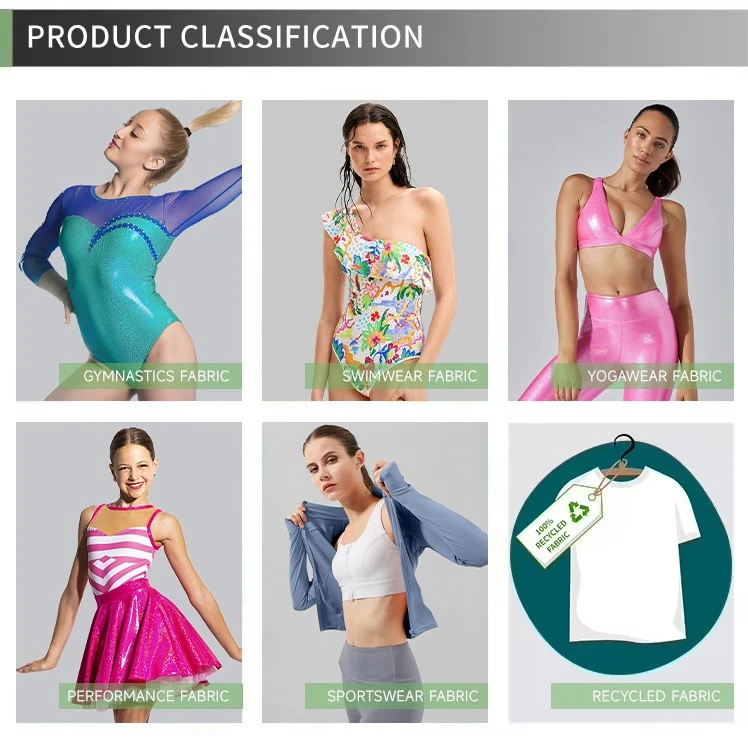
When designing custom swimwear for retail brands, swim teams, resort boutiques, or private-label collections, fabric and lining selection is the foundation of product quality. Many custom swimwear projects fail not because of poor cut or print design, but because the fabric cannot withstand real swimming conditions. For swimwear used in chlorinated pools, saltwater, and prolonged sun exposure, four core performance metrics must be prioritized: chlorine resistance, lining performance, stretch recovery, and colorfastness. Understanding these factors helps you avoid common pitfalls such as fabric degradation, sagging fit, transparent lining, bleeding prints, and early product returns.
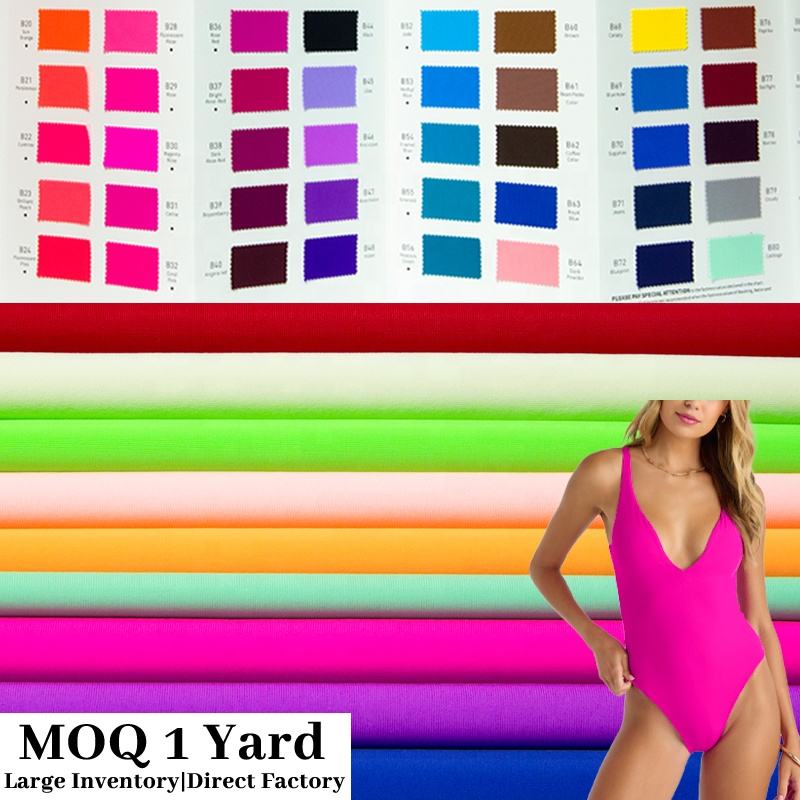
Chlorine resistance stands out as the most critical requirement for swimwear that will be regularly worn in swimming pools. Chlorine is a powerful chemical disinfectant that breaks down the molecular structure of ordinary spandex fibers. Low-grade spandex will quickly lose elasticity, turn yellow, develop thin brittle spots, and even tear after repeated exposure to pool water. Standard 4-way stretch polyester-spandex blends are not equal in chlorine tolerance. PBT (polybutylene terephthalate) and specially treated chlorine-resistant spandex are the top choices for pool-focused custom swimwear. Compared with regular lycra, chlorine-resistant spandex can maintain its strength and elasticity through dozens of pool cycles without obvious degradation. For commercial swim teams, swim schools, and aquatic fitness brands, investing in chlorine-resistant fabric is non-negotiable. If your target customers mostly swim in natural seawater or only wear swimwear for beach photoshoots, standard swim fabric may be acceptable, but you still need to check resistance to saltwater corrosion. A simple rule for custom orders: clearly state your usage scenario to your supplier at the start. Separating pool-use fabric and beach-use fabric prevents costly mistakes.
Next, lining is an easily overlooked yet decisive component of custom swimwear. Swimwear lining serves three key purposes: opacity, comfort, and structural support. Without proper lining, light-colored or light-weight swim fabric becomes transparent when wet, which leads to customer complaints and return rates. Not all lining fabrics are made the same. Cheap thin lining often stretches out of shape, absorbs excessive water, and dries very slowly, leaving wearers uncomfortable for hours. Good swim lining should be lightweight, quick-drying, smooth against skin, and matched to the outer shell's stretch rate. The lining must stretch and recover together with the outer fabric. If the lining has less stretch than the shell, it will create bunching, pulling, and awkward fit gaps during movement. Most premium custom swimwear uses a thin 4-way stretch poly-spandex lining. You also need to consider lining color strategy. For bright, white, or pastel custom printed swimwear, nude or white lining is common. For dark shell fabrics, black lining can improve opacity and reduce show-through. For competitive swimwear, ultra-thin seamless lining is used to cut drag, while for women's fashion swimwear, thicker lining can add gentle bust support. Remember: lining is not a one-size-fits-all add-on. It should be selected based on shell fabric thickness, print color, and the end user's needs.
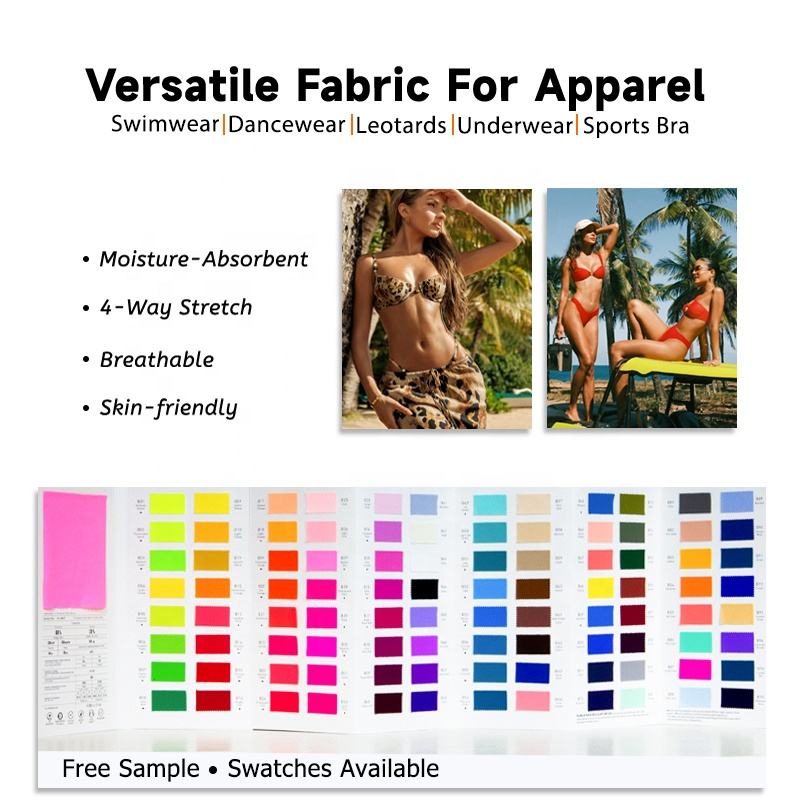
Stretch and stretch recovery determine how swimwear fits and performs during movement. All swim fabric is sold as 4-way stretch, but stretch percentage and recovery ability vary widely. Stretch means the fabric can elongate horizontally and vertically, while recovery means the fabric bounces back to its original shape after being stretched. Fabric with high stretch but poor recovery will sag after wearing. The bottom, bust, and waistband areas lose shape, and the swimwear becomes loose and baggy over time. This is a major issue for custom swimwear, especially for plus-size lines, competitive swimsuits, and one-piece styles. For most fashion swimwear, a fabric with 50%–80% stretch is suitable. For competitive racing swimwear, controlled compression fabric with targeted stretch is preferred. When testing fabric samples for custom orders, perform a simple pull test: stretch the fabric firmly and release it. If visible wrinkles or permanent elongation remains, the recovery is poor and not suitable for high-quality swimwear. Also, balance stretch with fabric weight. Too light fabric with high stretch may be sheer and fragile; overly heavy fabric feels stiff and slow to dry. Communicate your fit goal to your supplier: whether you want soft relaxed stretch for resort swimwear, moderate compression for training swimwear, or tight compression for racing suits.
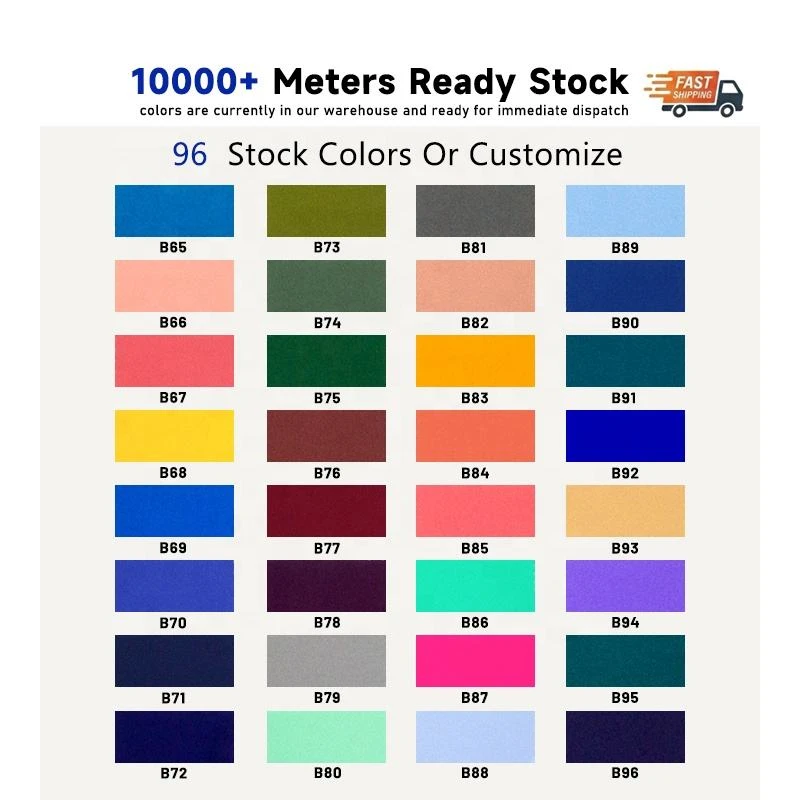
Colorfastness is the fourth pillar, especially for custom printed swimwear. Poor colorfastness causes dyes to bleed in water, stain lighter skin, and transfer color onto towels, cover-ups, or other clothing. It also leads to fading after repeated sun, water and wash exposure. Swimwear fabric faces multiple color-attacking elements: chlorine, UV sunlight, pool chemicals, saltwater, and laundry detergent. There are two main printing methods for custom swimwear: sublimation printing and reactive printing. Sublimation is widely favored for custom all-over prints because the ink bonds into the polyester fiber, offering excellent colorfastness, with little bleeding in water. However, sublimation only works on polyester-rich fabric. If your fabric contains a high percentage of spandex, the print brightness may be limited. Screen printing or heat transfer printing is cheaper but often has weaker water and chlorine colorfastness; the print layer may crack or peel after pool use. Always ask suppliers for colorfastness test reports, including wet rubbing test, chlorine water colorfastness and UV light fastness. Dark saturated colors such as black, deep navy, and bright red carry higher bleeding risk. If your custom design uses heavy dark prints, you must require pre-wash and color fixation treatment on the fabric.