

Published: November 4, 2026
The International Apparel & Textile Fair (IATF) is scheduled to return to the Dubai World Trade Centre from November 16 to 18, 2026. The event is positioned as a sourcing platform for fashion fabrics, garments, handbags, footwear and clothing accessories, connecting international exhibitors with buyers from the Middle East and North Africa (MENA) region.
For apparel manufacturers and international sourcing companies, Dubai is an important location for understanding regional buying interests and connecting with businesses across different markets. The fair's product scope covers both textiles and finished apparel, making it relevant to retailers, wholesalers, manufacturers and fashion businesses looking for new suppliers.
For Crownway Apparel, which focuses on customized sportswear and outdoor clothing, the event provides a useful industry reference for considering the needs of international apparel buyers and the role of flexible manufacturing partnerships.
Understanding the Middle East Apparel Market
The Middle East is not a single uniform apparel market. Climate, consumer preferences, retail channels and seasonal demand can vary considerably between countries and customer groups.
In warmer areas, lightweight clothing and breathable materials may be important for much of the year. At the same time, demand for seasonal collections, travel clothing, sportswear and outdoor products can create opportunities for different apparel categories.
Buyers may also serve different customer segments. A wholesale distributor may prioritize product availability and competitive pricing, while a private-label brand may focus more on design, fabric selection, branding and product consistency.
Manufacturers entering or serving these markets should avoid assuming that one product specification will suit every buyer. Understanding the target market and the intended use of each garment is an important first step.
Opportunities for Sportswear and Functional Clothing
Sportswear is a relevant category for international apparel sourcing because it combines everyday comfort with activity-related functions. Products such as training tops, joggers, sports leggings, lightweight jackets and teamwear can be developed for different retail and distribution channels.
For these products, buyers may consider several factors:
Fabric performance: Breathability, stretch, softness, moisture management and durability should match the intended activity.
Fit and sizing: Size ranges and garment measurements need to be suitable for the target customer group.
Design and branding: Colors, logos, prints, labels and other details help distinguish a private-label collection.
Production consistency: Bulk orders should follow approved samples and confirmed specifications.
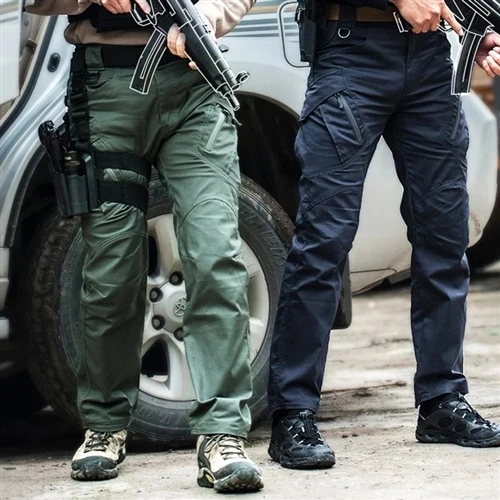
Outdoor apparel can offer additional opportunities. Lightweight windbreakers, waterproof jackets, hiking trousers and insulated outerwear may be relevant to customers who need clothing for travel, outdoor recreation or seasonal use.

Why Product Customization Matters
Many buyers do not simply want ready-made garments. They may need products that reflect their own brand identity, customer requirements and price positioning.
Customization can cover several stages of apparel development. A buyer may start with an existing garment concept and request changes to fabric, color, fit or branding. Another customer may provide a technical design and require a manufacturer to develop a sample based on detailed specifications.
For private-label projects, the most important step is to define the product requirements clearly. This includes fabric composition, garment measurements, construction details, color standards, logo placement, labeling and packaging.
A sample review process is also essential. Buyers should check fit, workmanship, fabric appearance and details before approving bulk production.
What Buyers Should Look for in a Manufacturing Partner
Sourcing decisions should not be based on price alone. A supplier's ability to understand the product, communicate clearly and follow specifications can have a direct impact on the final result.
Before confirming an order, buyers should discuss:
Relevant experience in the product category.
Available fabric and trim options.
Sample development and revision arrangements.
Custom logo, printing and embroidery capabilities.
Size specifications and quality inspection procedures.
Minimum order requirements and production lead times.
Buyers should also make sure that all important details are recorded and confirmed. Clear communication helps prevent differences between the approved sample and the bulk order.
Adapting Products to Different Markets
A product designed for one region may need adjustments before it is suitable for another. Fabric weight, garment length, color preferences, fit and seasonal requirements can all influence product development.
For example, a lightweight sports jacket intended for mild weather may use a different fabric and lining construction from an insulated outdoor jacket. A fitness collection may require different levels of stretch and support depending on the product type.
Manufacturers can support buyers by discussing these factors during development. Rather than treating customization as a simple logo change, a more complete approach considers how materials, fit and construction work together.
Crownway Apparel: Customized Sportswear and Outdoor Clothing
Crownway Apparel is a clothing manufacturer serving international customers with sportswear and outdoor apparel production. Its product range includes outdoor jackets, hiking pants, training and jogging wear, fitness and yoga apparel, cycling clothing and other sports-related garments.
For customized projects, Crownway can work with customer requirements covering fabrics, colors, sizes, garment details and branding elements such as printing and embroidery. The development and production plan depends on the product specifications, order quantity and confirmed requirements.
For buyers developing private-label collections, the goal is to establish a clear process from product discussion and sample review to bulk production. This helps align the garment with the intended market and brand positioning.

Looking Ahead to IATF Dubai 2026
The upcoming IATF provides a timely opportunity for apparel businesses to explore sourcing options and understand the needs of buyers in the MENA region. Its focus on garments, textiles and accessories reflects the variety of products involved in international apparel trade.
For brands, wholesalers and retailers planning future collections, successful sourcing begins with a clear understanding of the target customer. The next step is finding a manufacturing partner that can translate product requirements into consistent, production-ready garments.
Crownway Apparel will continue to follow international apparel sourcing developments and support customers looking for customized sportswear and outdoor clothing manufacturing solutions.