

The International Running Expo 2026 opens today at RAI Amsterdam, bringing together brands, retailers, distributors, athletes and other professionals from the global running industry. Running from November 4 to 5, the event features more than 200 international brands and is held alongside ISPO 2026, connecting the running market with the wider sports and outdoor industry.
Running continues to create opportunities for apparel brands and manufacturers. From everyday running T-shirts to performance tops, shorts, leggings and lightweight outerwear, running apparel must balance comfort, movement, durability and functional performance.
For manufacturers, understanding these requirements is essential when developing products for different markets and customer groups. Crownway Apparel, a clothing manufacturer specializing in customized sportswear and outdoor apparel, follows running apparel developments as part of its focus on functional clothing production.
Comfort Is the Foundation of Running Apparel
Running garments are worn during repetitive movement and often under changing temperatures. Poor fabric choices, uncomfortable seams or unsuitable garment construction can affect the wearing experience.
A running shirt should feel lightweight and comfortable while allowing moisture to move away from the skin. Fabric weight, breathability, softness and drying performance are important factors to consider.
Running shorts and tights require a different set of considerations. Stretch and recovery help garments move with the body, while a suitable waistband and well-planned seam placement can improve comfort during activity.
The best material depends on the product's intended use. A lightweight running top for warm weather may require a different fabric structure from a long-sleeve training shirt designed for cooler conditions.

Moisture Management and Breathability
Sweat management is one of the key considerations in performance running apparel. Fabrics designed for active use may use polyester, nylon or blended fibers with different knit structures and finishing treatments.
Moisture-wicking performance is influenced by fiber characteristics, yarn construction, fabric structure and finishing. It should not be judged by a marketing description alone. Buyers should request relevant fabric information and, where necessary, evaluate samples through practical wear or laboratory testing.
Breathability also needs to be considered alongside garment design. Mesh panels, ventilation zones and lightweight constructions may help improve airflow in selected areas. However, adding ventilation details should not compromise durability or the overall appearance of the garment.
For manufacturers, the challenge is to balance fabric performance with production consistency and the customer's target cost.
Fit and Freedom of Movement
Fit is another important factor in running apparel. Garments that are too tight may restrict movement, while overly loose designs may cause unwanted movement or discomfort.
Different markets and customer groups may prefer different fits. Some brands develop close-fitting performance styles, while others focus on relaxed running tops and versatile training garments.
A clear size specification is therefore essential. Buyers should define key measurements, grading rules and tolerances before bulk production. Sample fitting and measurement reviews can help identify issues before a style moves into production.
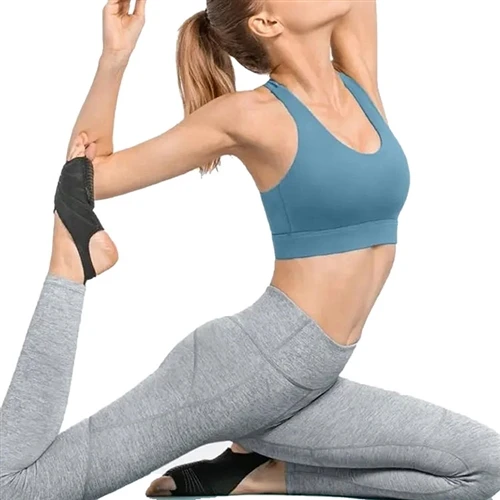
For products such as running tights, shorts and sports bras, fit evaluation should pay particular attention to stretch, support, coverage and recovery after repeated use.
Design Details That Add Practical Value
Small design features can make a difference to the usefulness of running apparel. Depending on the product, brands may consider reflective details, secure pockets, adjustable waistbands, flat seams, lightweight zippers and quick-drying materials.
These details should be selected according to the garment's intended purpose rather than added simply to make a product appear more technical.
For example, reflective elements may be relevant to running apparel designed for low-light conditions. A secure pocket may be useful for carrying small personal items. A lightweight jacket may need to pack down easily for runners who want an additional layer.
Every additional component should also be evaluated for durability, comfort, appearance and production feasibility.
What Buyers Should Discuss with a Running Apparel Manufacturer
When sourcing custom running apparel, buyers should prepare a detailed product brief. Useful information includes:
Product type and intended running conditions.
Fabric composition, weight and preferred performance characteristics.
Design references, colors and branding requirements.
Size range, measurements and fit expectations.
Printing, reflective details, labels and other trims.
Target order quantity, sample requirements and delivery schedule.
A manufacturer should be able to discuss the relationship between these requirements and the proposed construction. Early communication can help identify technical issues before sampling and bulk production.
Quality control should also be planned around the product. Fabric appearance, measurements, stitching, color consistency, print placement and garment finishing are all worth checking.
Crownway's Role in Customized Sportswear Production
Crownway Apparel provides customized clothing production for international customers across sportswear and outdoor apparel categories. Its product scope includes training and jogging wear, fitness and yoga clothing, cycling apparel, sports tops and outdoor garments.
For running apparel projects, customization may include fabric options, garment patterns, colors, logos, printing, labels and selected construction details. The exact development route depends on the customer's design, specifications and order requirements.
Crownway recognizes that running apparel is not simply casual clothing with a sports-inspired appearance. It needs to be developed around movement, comfort and the conditions in which it will be worn. A clear product brief and careful sample review are important steps toward achieving a consistent result.
Looking Beyond the Exhibition
The International Running Expo offers an opportunity for the industry to discuss new products, performance ideas and business opportunities. As the running market continues to develop, apparel brands will need to pay close attention to material selection, fit consistency and product functionality.
For buyers planning a new running collection, the right manufacturing partner can help connect design requirements with practical production solutions.
Crownway Apparel will continue to follow developments in running and performance clothing, supporting customers seeking customized sportswear for their markets.