

We specialize in the production of high-performance technical rainwear, focusing on two core waterproof seam technologies: seam sealing and ultrasonic welding. Each method carries distinct advantages for different end uses, budgets and design requirements. Our engineering team helps outdoor, workwear and fashion brands select the optimal construction, membrane material and production route to meet waterproof standards and bulk production targets.
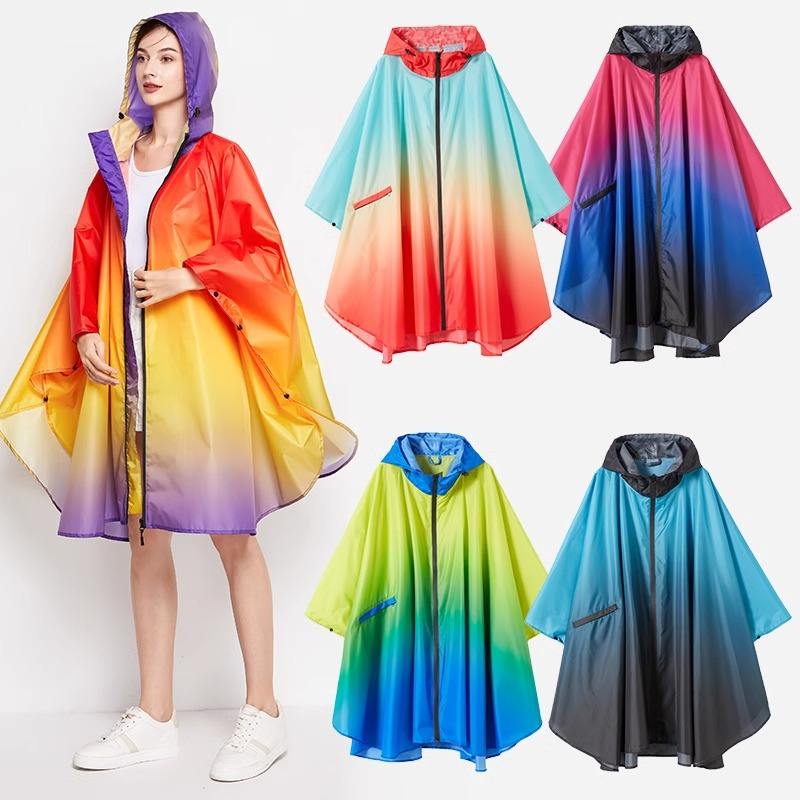
1. Constructing Rainwear to Withstand Torrential Rain
Heavy downpour resistance relies on a fully sealed garment structure that eliminates every potential water penetration point. Traditional construction uses stitched seams followed by hot-air seam sealing: waterproof adhesive tape is bonded over needle holes to block moisture entry. This mature process works well for thick fabrics, complex pattern cuts and heavy-duty rainwear intended for long-duration exposure to torrential rain, such as outdoor hiking jackets and professional protective rain suits.
To achieve reliable waterproof performance, we strictly control fabric lamination, seam taping temperature and pressure, and complete hydrostatic head testing before shipment. Properly implemented seam sealing delivers stable waterproof ratings even under sustained heavy rainfall. While effective, stitched-and-taped seams will degrade gradually after repeated washing and flexing. In contrast, ultrasonic welding fuses fabric layers together without needle perforations, removing one major leak source entirely. Manufacturers often combine both techniques for garments that require maximum durability against torrential rain, balancing performance and production feasibility.
2. Ultrasonic Welding Applications in Lightweight Rainwear
Ultrasonic welding uses high-frequency mechanical vibration to generate friction heat, melting thermoplastic-coated synthetic fabrics and forming continuous thread-free bonded seams. It is perfectly suited for ultra-lightweight, packable rain shells made from thin nylon or polyester laminates.
For lightweight rainwear, this technology delivers multiple benefits: smoother internal seams that reduce skin chafing, cleaner minimalist exterior aesthetics, and faster cycle times during mass production. Without seam tape adding extra thickness, finished garments stay thin and compressible, ideal for running, trail hiking and everyday portable rain jackets. However, ultrasonic welding has material limits. It works best on thermoplastic-coated fabrics and is less flexible for highly complex multi-panel patterns. Brands targeting premium ultralight rain collections frequently choose ultrasonic welding as a key differentiator for their product lines.


3. Choosing PU/PTFE Membranes for Bulk Orders
The waterproof and breathable membrane is the functional core of technical rainwear, and bulk purchasing decisions must balance performance, cost, durability and compliance.
PU (polyurethane) membranes are the mainstream choice for large-volume orders. They offer dependable waterproof performance, flexible hand feel and competitive pricing for mass production. PU membranes can be engineered for different hydrostatic head and moisture vapor transmission rates, making them versatile for general outdoor rainwear, fashion rain jackets and workwear. Supply chains for PU laminates are stable, supporting consistent lead times for big shipments.
PTFE membranes deliver superior breathability and long-term durability, performing better under high-output activities and extreme weather conditions. PTFE is commonly specified for premium professional outdoor gear, though raw material and lamination costs are higher, and minimum order quantities can be stricter than PU options.
When planning bulk orders, we help customers evaluate their target price point, required waterproof/breathable specs, intended end use and certification requirements. Many brands adopt a two-tier strategy: PU membranes for core mass-market lines and PTFE membranes for high-end limited collections.