


|
Windbreaker jackets are essential casual and outdoor apparel, favored for their versatile protection against breezes and mild weather. The core challenge in modern windbreaker production lies in striking a perfect balance between lightweight portability and long-lasting durability. Consumers demand jackets that are ultra-light and easy to fold and carry, yet resistant to daily wear, tear, and external abrasion. Through optimized fabric selection, functional ventilation design, and tailored branding techniques, manufacturers can achieve this critical balance while maintaining product practicality and aesthetic value. Fabric selection lays the foundation for balancing portability and durability, with ripstop and pongee being the two most mainstream materials for lightweight windbreakers. Pongee fabric, woven with fine, smooth polyester fibers, features ultra-light weight and excellent softness. It can be folded into a small size for easy storage in backpacks or pockets, making it ideal for daily commuting and casual outdoor activities. However, standard pongee has relatively weak tensile strength and is prone to scratching and tearing under rough use. In contrast, ripstop fabric adopts a special cross-grid weaving structure, with thick reinforcing fibers interwoven at regular intervals. This unique structure effectively prevents small cracks from expanding, greatly enhancing tear resistance and durability. Though slightly heavier than pongee, modern high-density ripstop minimizes weight gain, delivering robust protection without sacrificing too much portability, making it suitable for hiking and outdoor sports scenarios. |
Reasonable ventilation design further optimizes the wearing experience of lightweight windbreakers without compromising structural durability. Most lightweight shell fabrics are windproof and slightly airtight, which easily causes stuffiness and sweat accumulation during movement. Mesh linings and back vents are the most practical solutions to this problem. Breathable mesh linings added to the inner layer of jackets accelerate air circulation and discharge internal hot air, while avoiding direct skin friction to improve comfort. Strategic back vents, usually designed with invisible splicing or tiny openings, realize dynamic air convection. These ventilation structures adopt integrated sewing technology, which does not damage the overall fabric integrity. They maintain the windproof and durable performance of the jacket while eliminating the bulky and airtight drawbacks of traditional lightweight windbreakers.
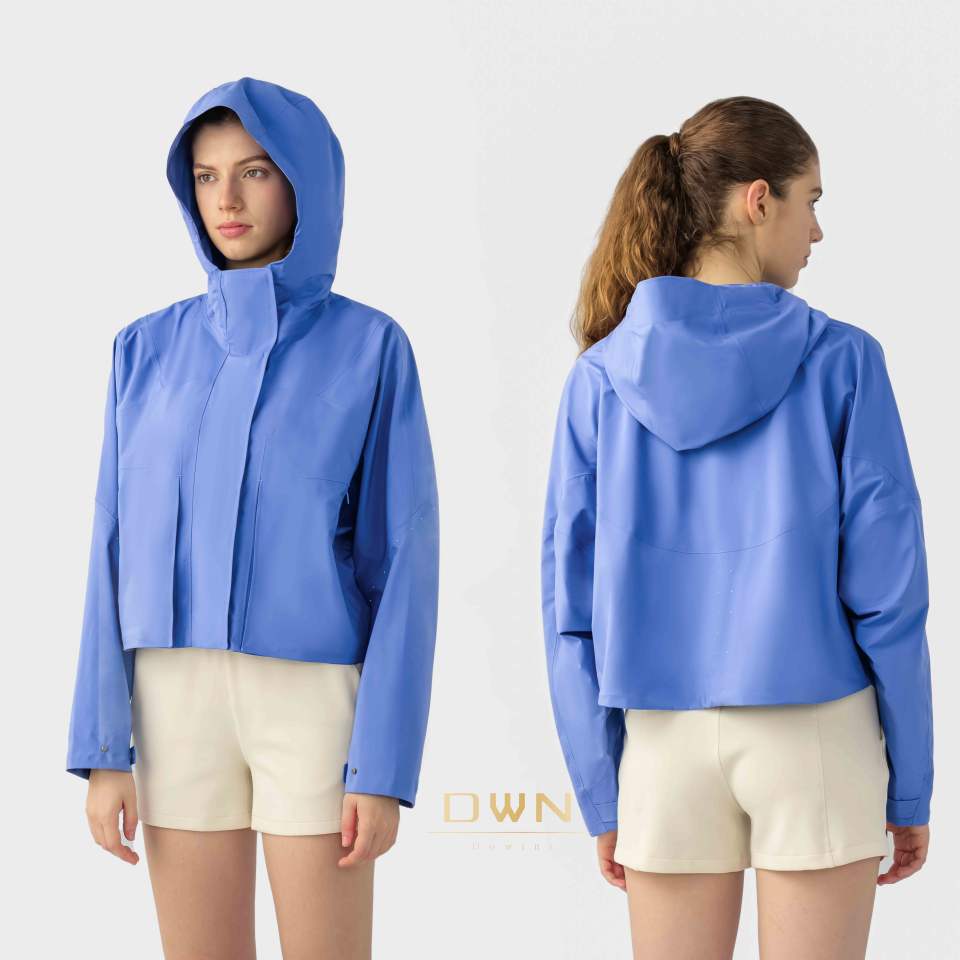

Reasonable ventilation design further optimizes the wearing experience of lightweight windbreakers without compromising structural durability. Most lightweight shell fabrics are windproof and slightly airtight, which easily causes stuffiness and sweat accumulation during movement. Mesh linings and back vents are the most practical solutions to this problem. Breathable mesh linings added to the inner layer of jackets accelerate air circulation and discharge internal hot air, while avoiding direct skin friction to improve comfort. Strategic back vents, usually designed with invisible splicing or tiny openings, realize dynamic air convection. These ventilation structures adopt integrated sewing technology, which does not damage the overall fabric integrity. They maintain the windproof and durable performance of the jacket while eliminating the bulky and airtight drawbacks of traditional lightweight windbreakers.