

Adaptive clothing is a specialized category of apparel designed with thoughtful modifications to make dressing easier, more comfortable, and more dignified for individuals facing dressing challenges. It moves beyond traditional fashion by integrating functional design elements that address mobility limitations, sensory sensitivities, and the need for medical device access. At its core, adaptive clothing is not defined by a singular style but by a human-centric design philosophy that prioritizes independence, comfort, and dignity for all.

Who is Adaptive Clothing For?
While initially developed for specific communities, the benefits of adaptive design have universal appeal:
Individuals with Disabilities: Including those with arthritis, paralysis, cerebral palsy, multiple sclerosis, or who use wheelchairs.
Seniors & the Elderly: Addressing challenges related to reduced dexterity, balance, or range of motion.
People Recovering from Surgery or Injury: Providing gentle, easy-to-manage options during recovery.
Individuals with Sensory Processing Disorders: Offering seamless, tagless, and ultra-soft garments to minimize discomfort.
Caregivers & Healthcare Professionals: Facilitating easier and safer dressing assistance.
The Broader Market: Anyone seeking comfortable, user-friendly clothing with innovative, hassle-free features.
Core Design Features & Innovations
What sets adaptive clothing apart are its deliberate, often discreet, functional modifications:
Adaptive Closures (Replacing Buttons & Zippers):
Magnetic Closures: Strong, discreet magnets sewn into plackets for easy fastening with one hand or minimal pressure.
Hook-and-Loop (Velcro) Tape: Adjustable and easy-to-grasp closures, often placed in strategic, less visible locations.
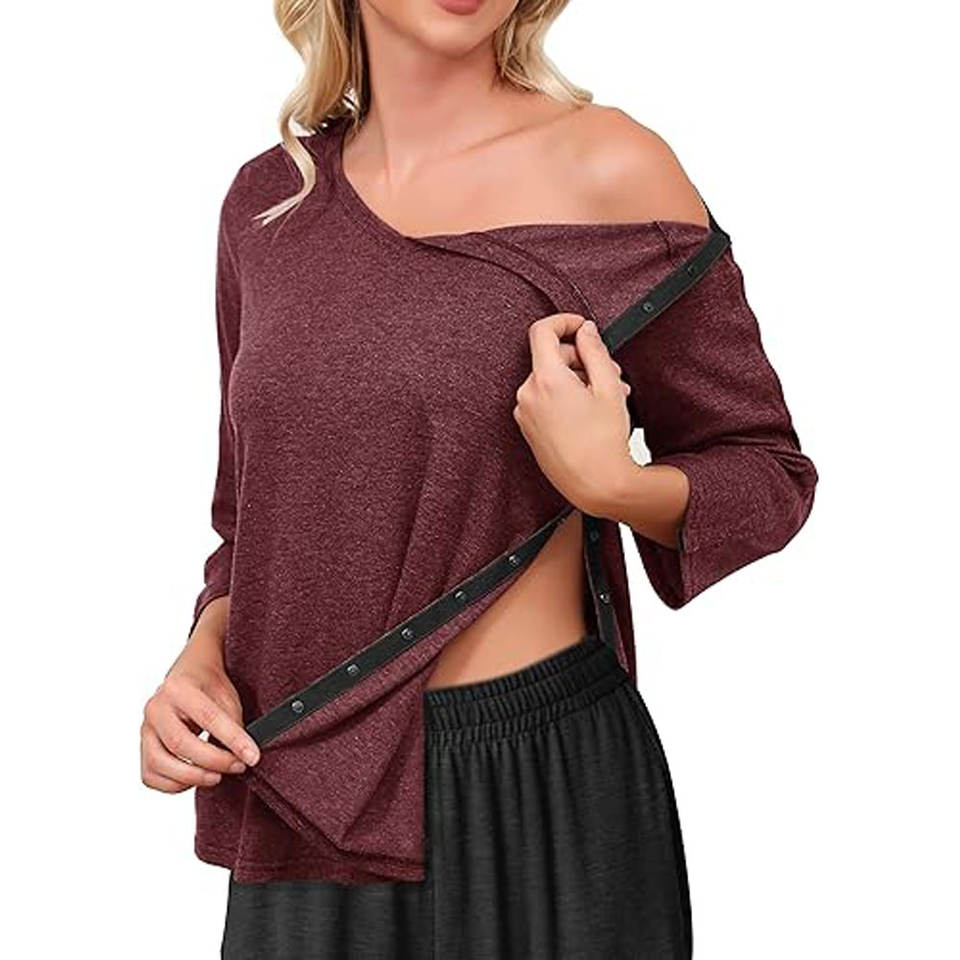
Snap Buttons: Larger, easier-to-grip snaps that require less fine motor skill than traditional buttons.
Strategic Openings for Accessibility:
Side-Seam & Back Openings: Allow garments to be put on or removed without lifting arms or legs over the head. They also provide discreet access ports for medical lines or catheters.
Wide Necklines & Expanded Openings: Facilitate easier dressing for individuals with limited range of motion or who prefer to avoid pulling garments over the head.
Considered Construction & Fabrics:
Seamless & Tagless Designs: Eliminate points of friction and irritation for sensitive skin.
Soft, Stretch, & Non-Irritating Materials: Fabrics like modal, Tencel, and cotton blends are chosen for comfort and ease of movement.Reinforced Seating & Extended Backs: In bottoms and tops, these provide extra coverage, durability, and modesty for seated users. Adjustable Features: Hem adjusters, expandable waistbands, and roll-up sleeves allow for a personalized, adaptable fit.

Why Adaptive Clothing Matters: Beyond Function
The impact of adaptive clothing extends far beyond mere convenience:
Promotes Independence: Empowers individuals to dress themselves, fostering self-esteem and reducing reliance on caregivers.
Preserves Dignity: Stylish designs ensure users do not have to sacrifice personal expression for functionality, moving away from a clinical aesthetic.
Enhances Safety & Comfort: Reduces the strain and risk of injury for both the wearer and caregivers during dressing. Prevents skin irritation and pressure points.
Reflects an Inclusive Future: It represents a growing movement in the fashion industry toward universal design-creating products usable by as many people as possible, regardless of ability or age.